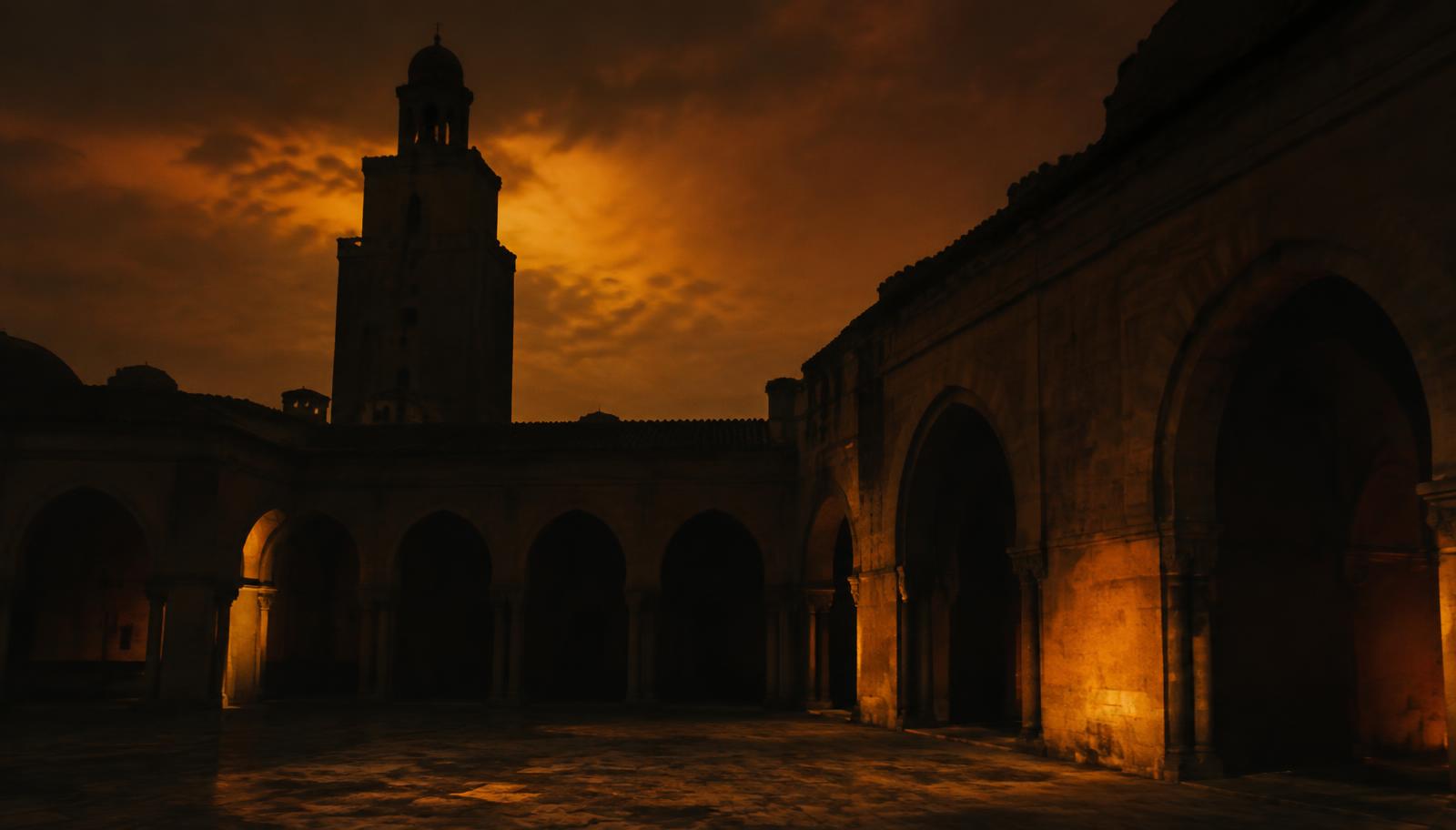
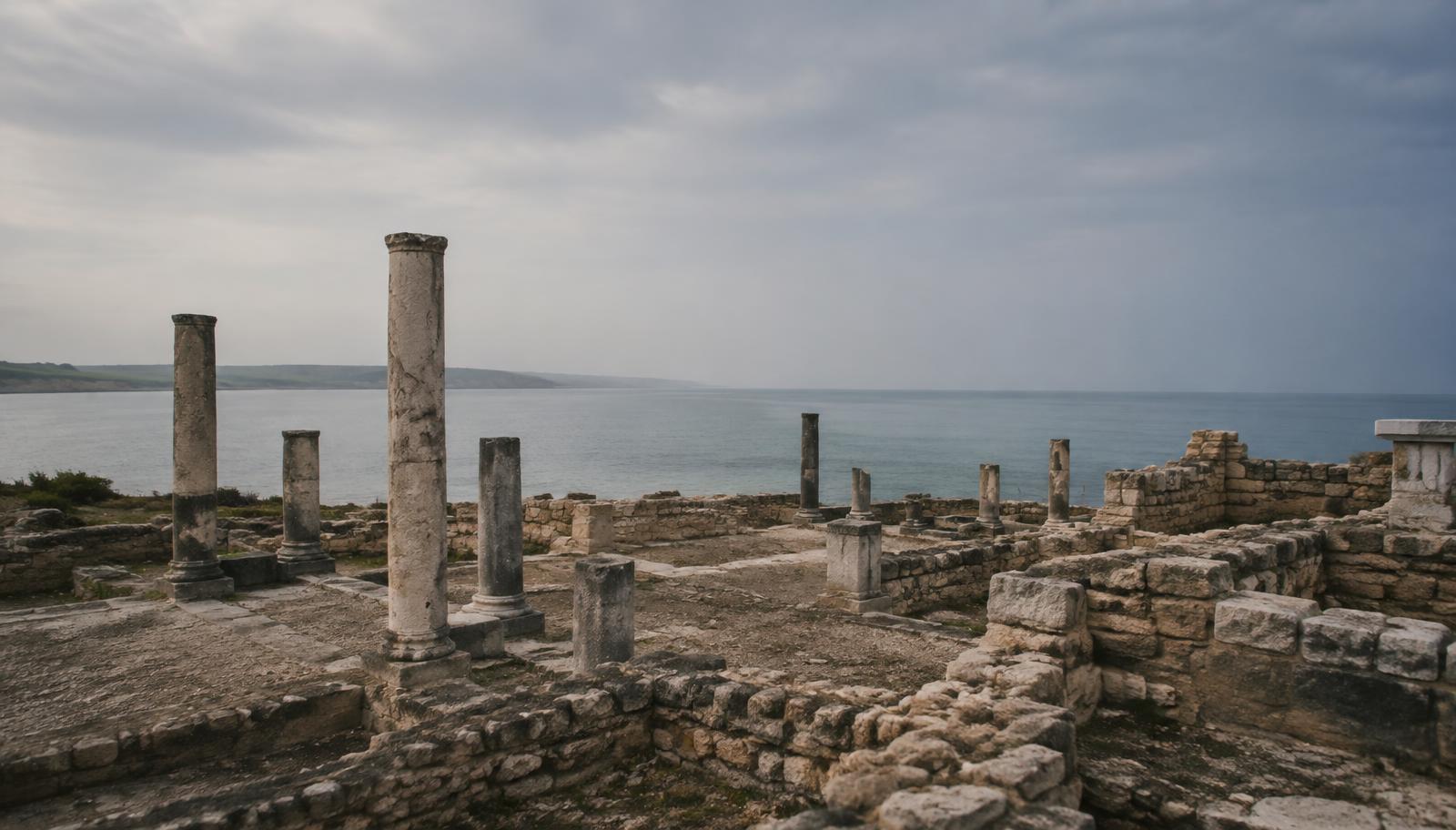
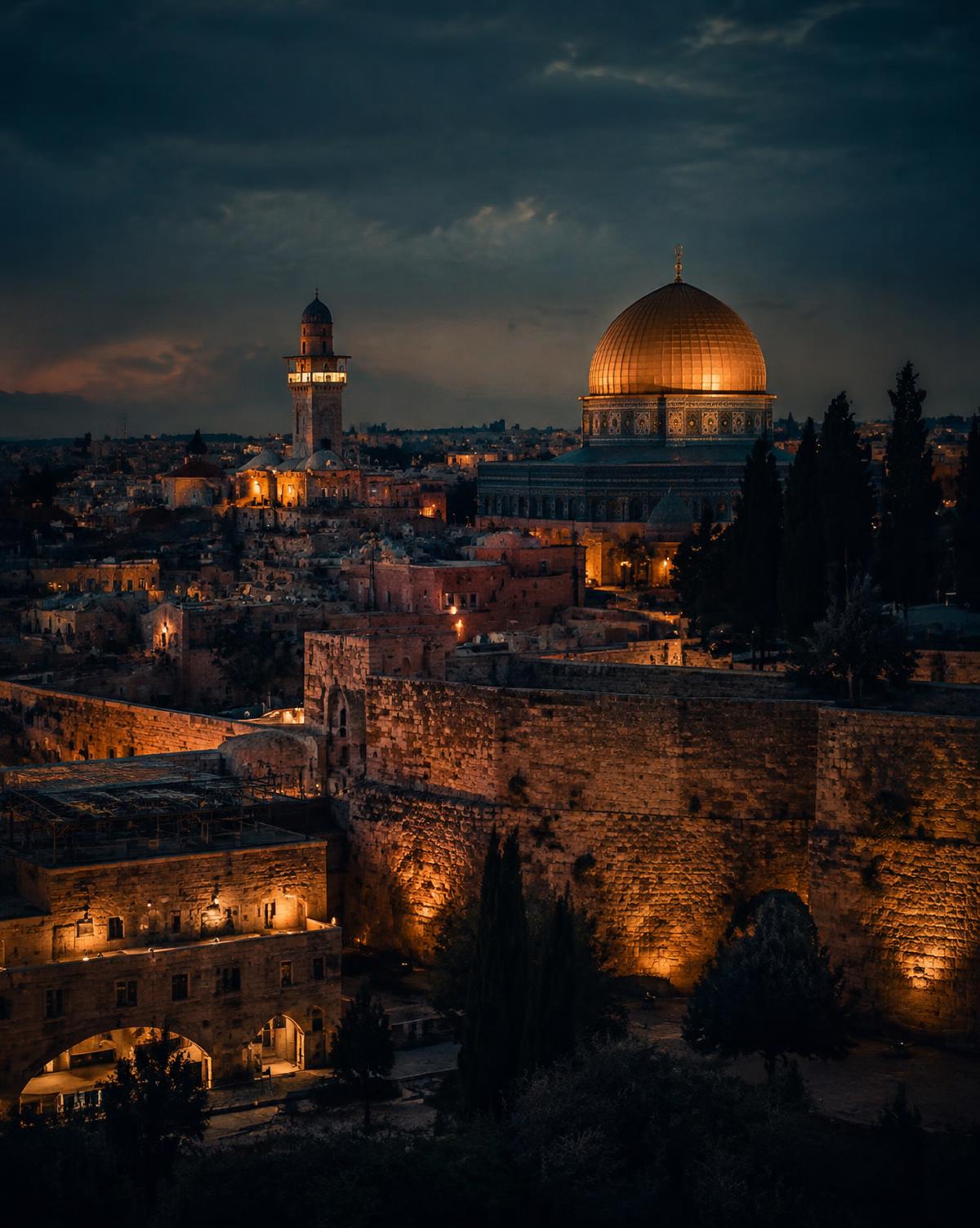
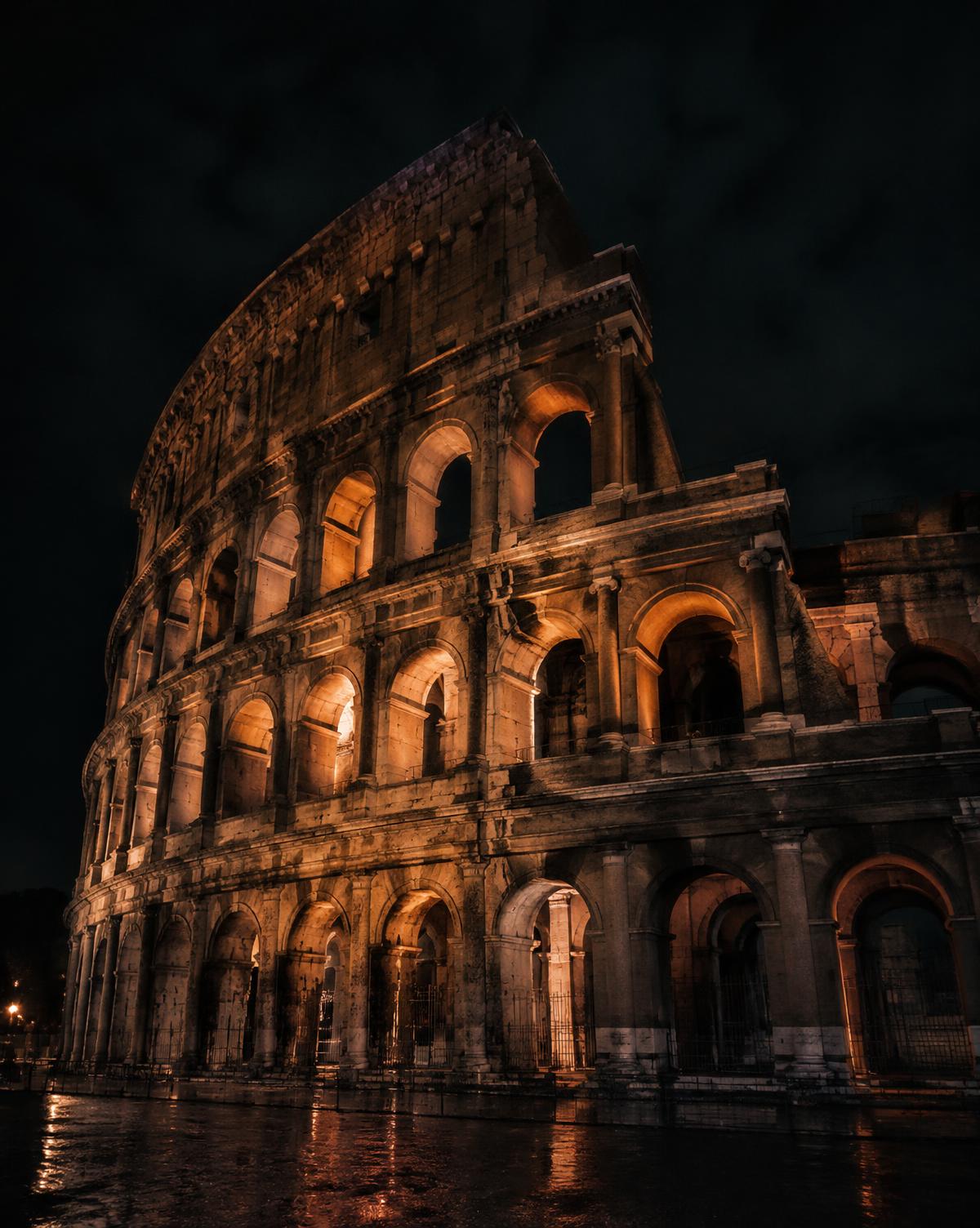
I
A city named New
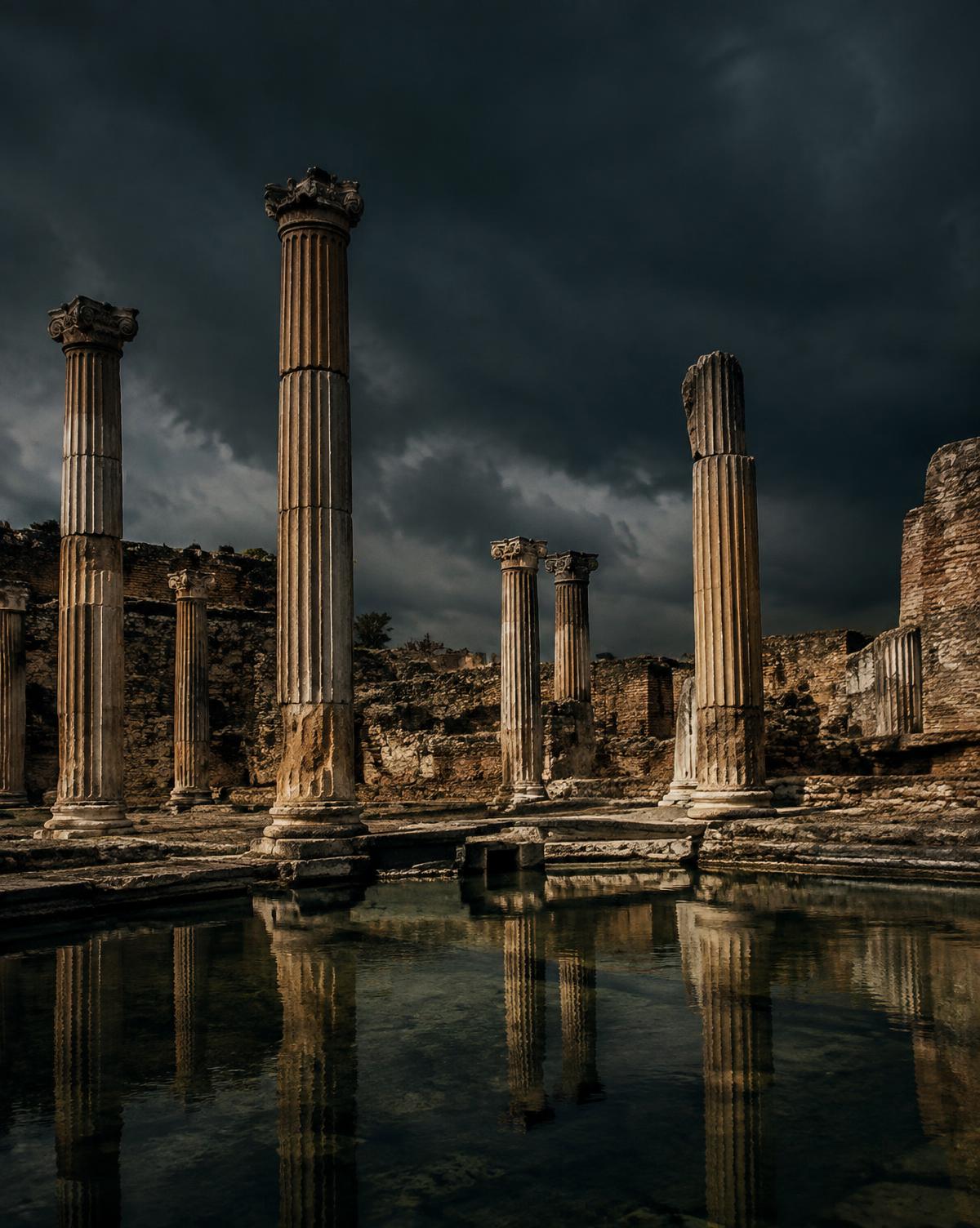
Qart-Hadasht meant simply the new city. The name survived three empires, four languages and a deliberate attempt to erase it from the map entirely.
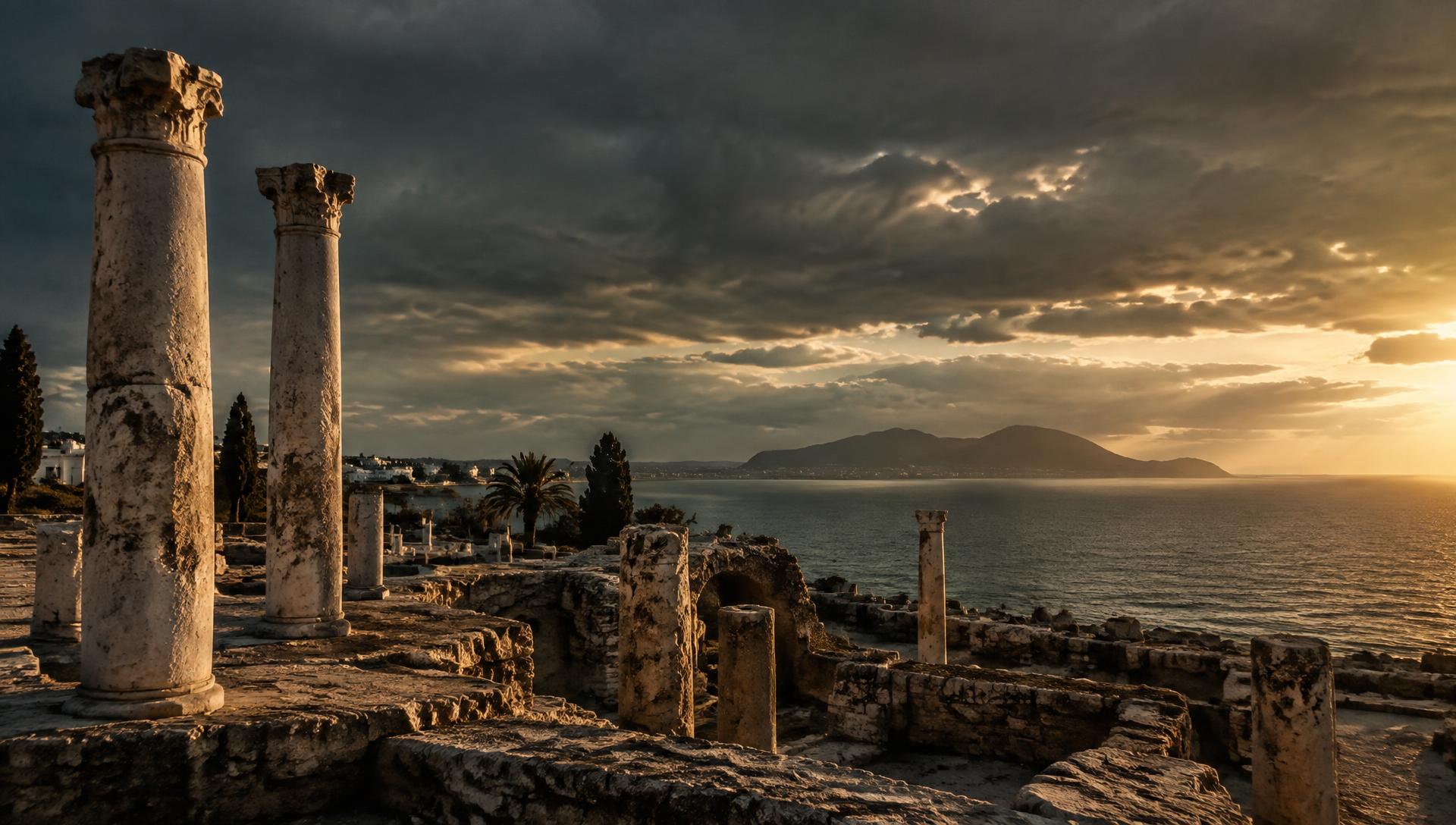
History travels with you.
01 — Philosophy
Every monument has a story.
Every city has layers.
Every ruin has a world behind it.
NavGate Atlas turns places into stories you can explore.
02 — Timeline
Carthage, Tunisia
814 BCE
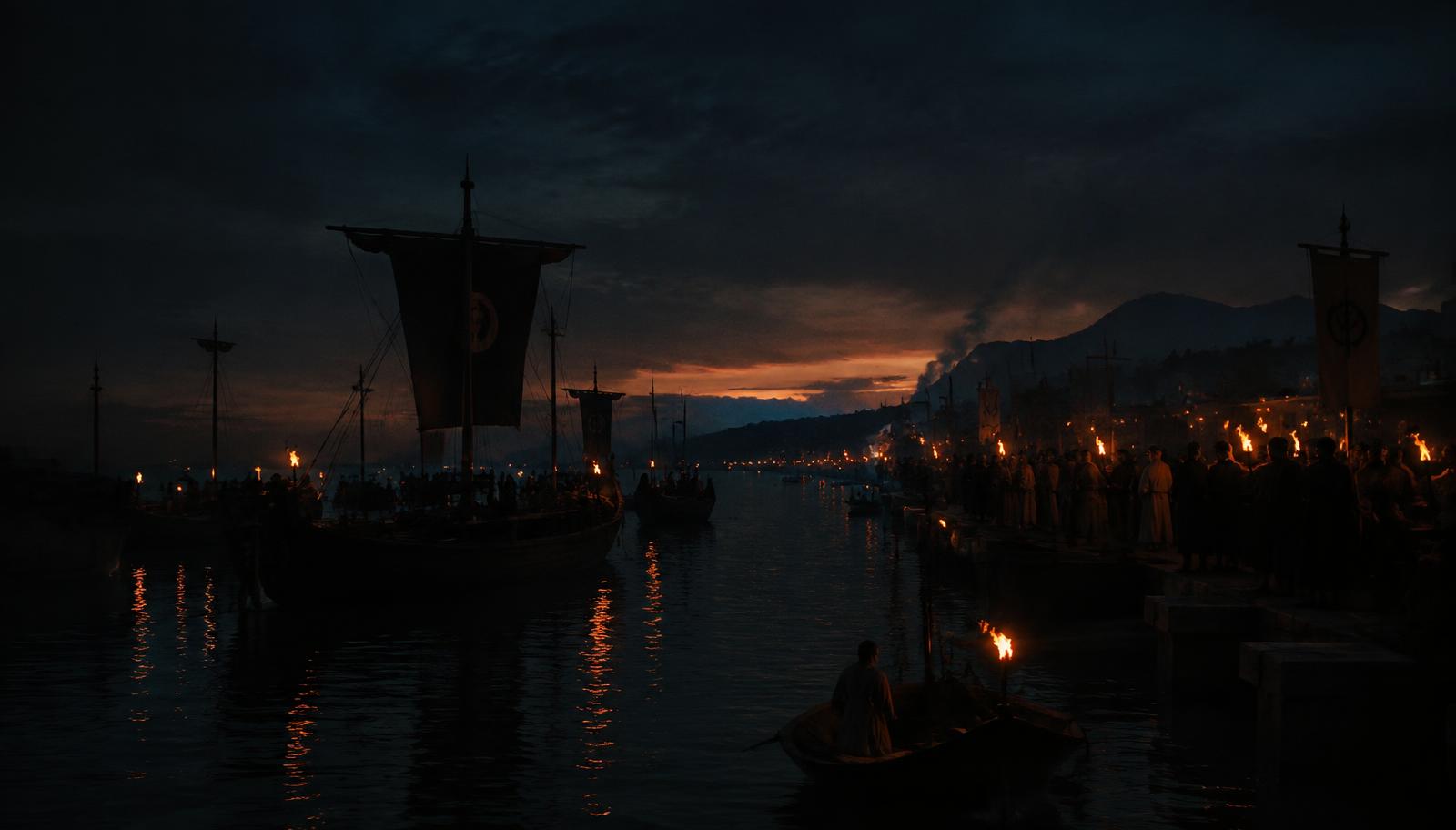
Settlers from Tyre establish the New City on a Tunisian promontory. Within two centuries it commands the trade of the western Mediterranean.
03 — Place explorer
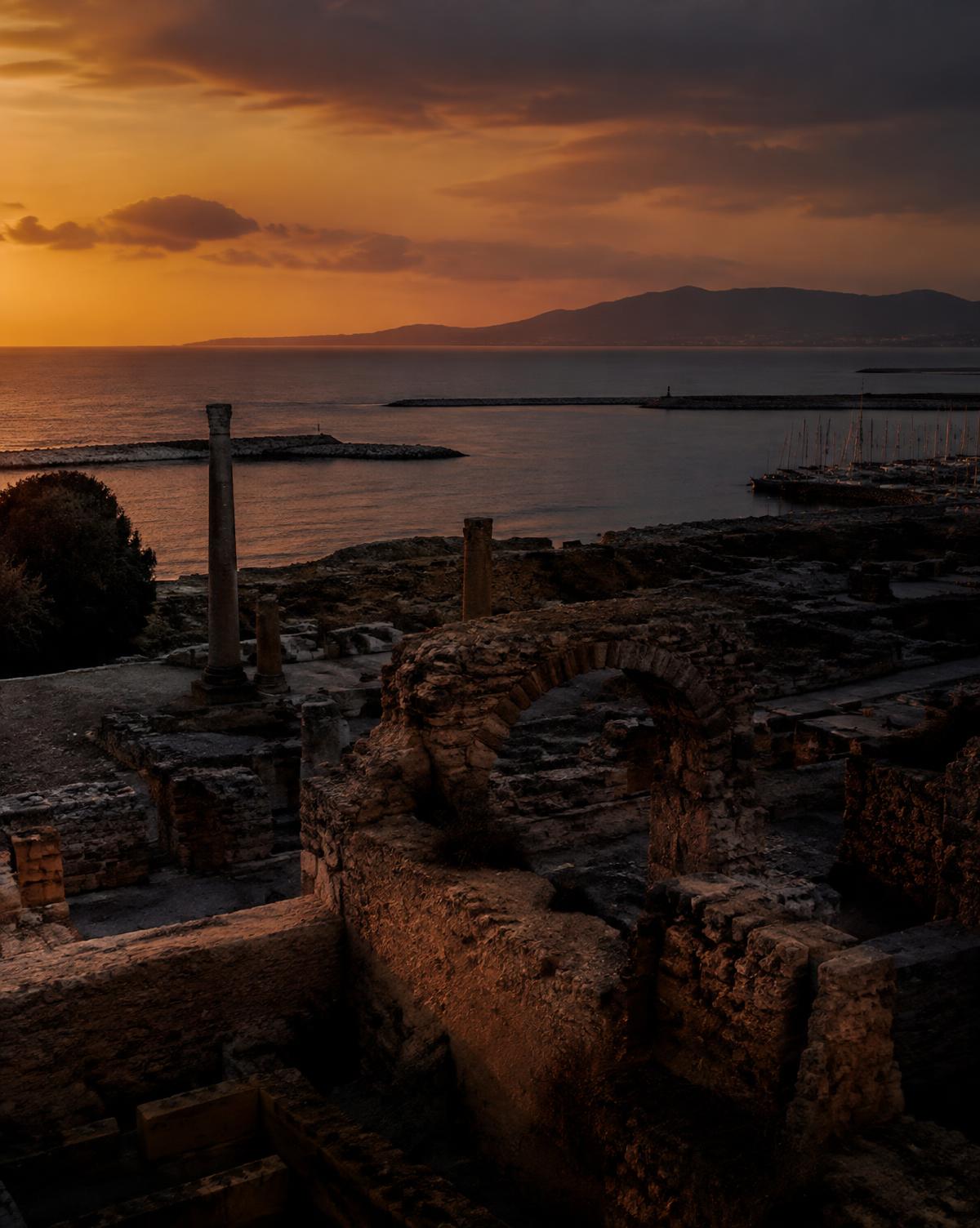
Punic / Roman
Tunisia
A maritime empire built on a promontory, erased by Rome, and rebuilt as one of its greatest provincial capitals.
Map preview
36.85 N, 10.32 E
04 — Story experience
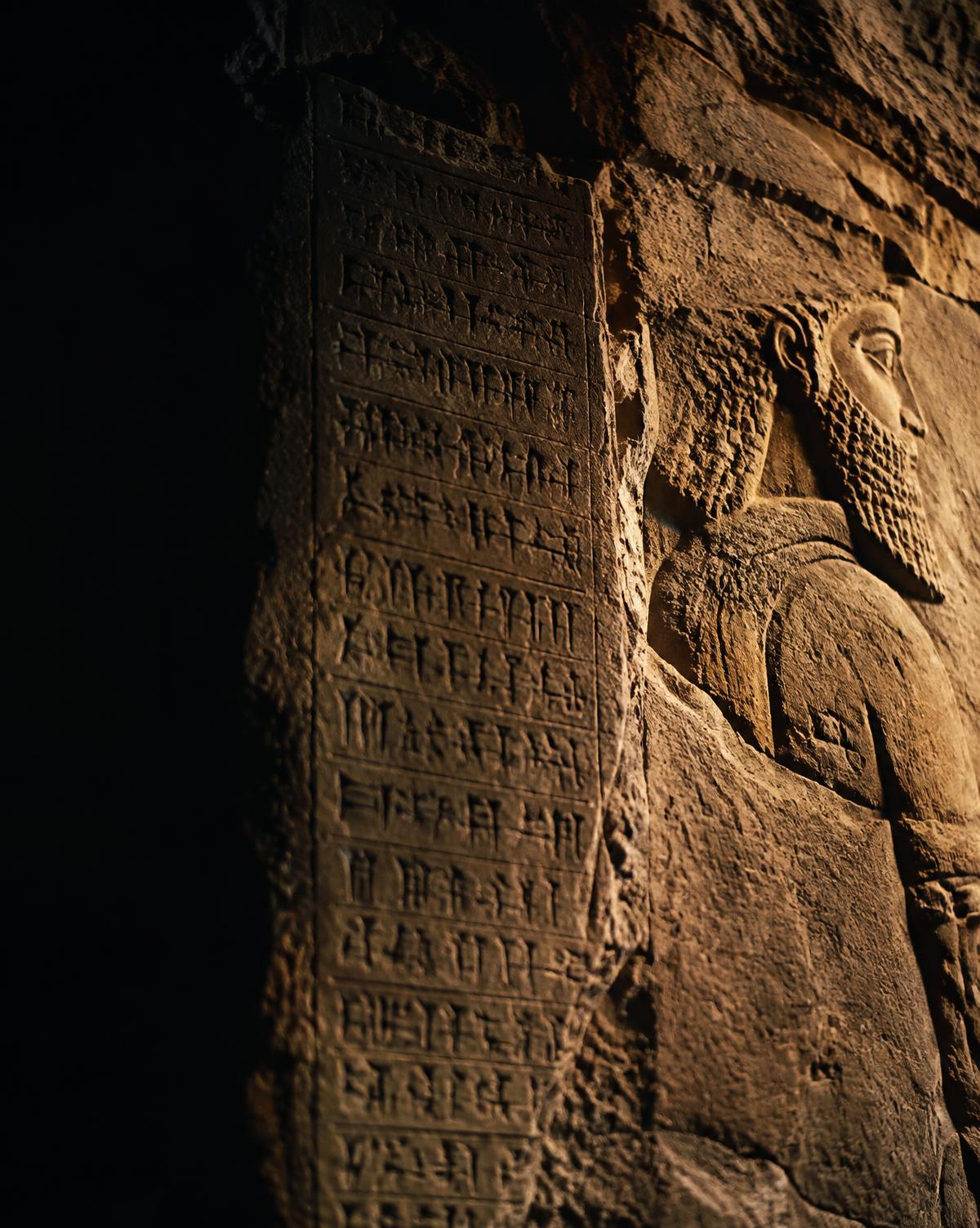
The story
I
Qart-Hadasht meant simply the new city. The name survived three empires, four languages and a deliberate attempt to erase it from the map entirely.
II
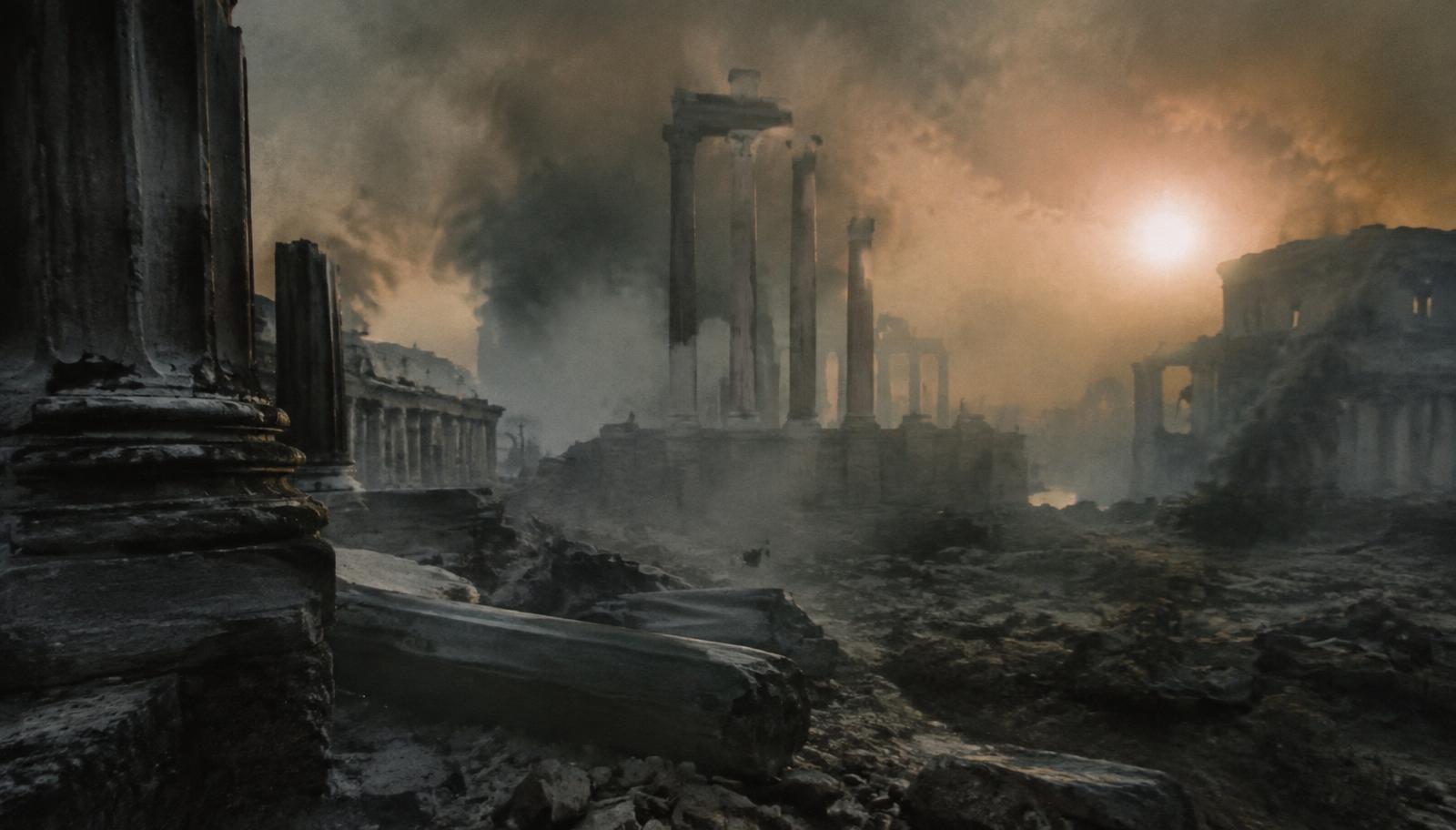
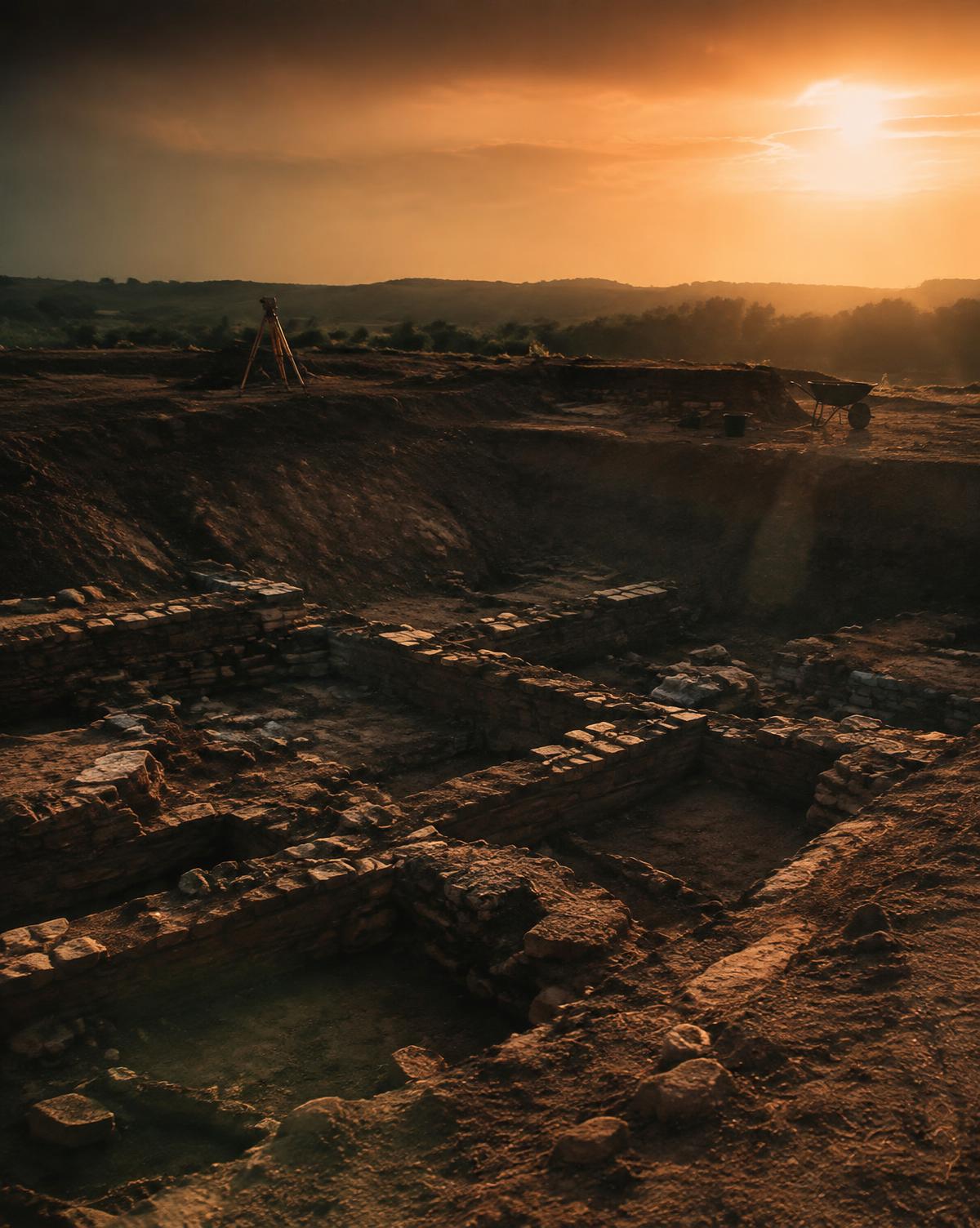
For a hundred years after 146 BCE the hill stood empty. Roman surveyors eventually returned with ropes and stakes, and drew a new grid over the old one.
III
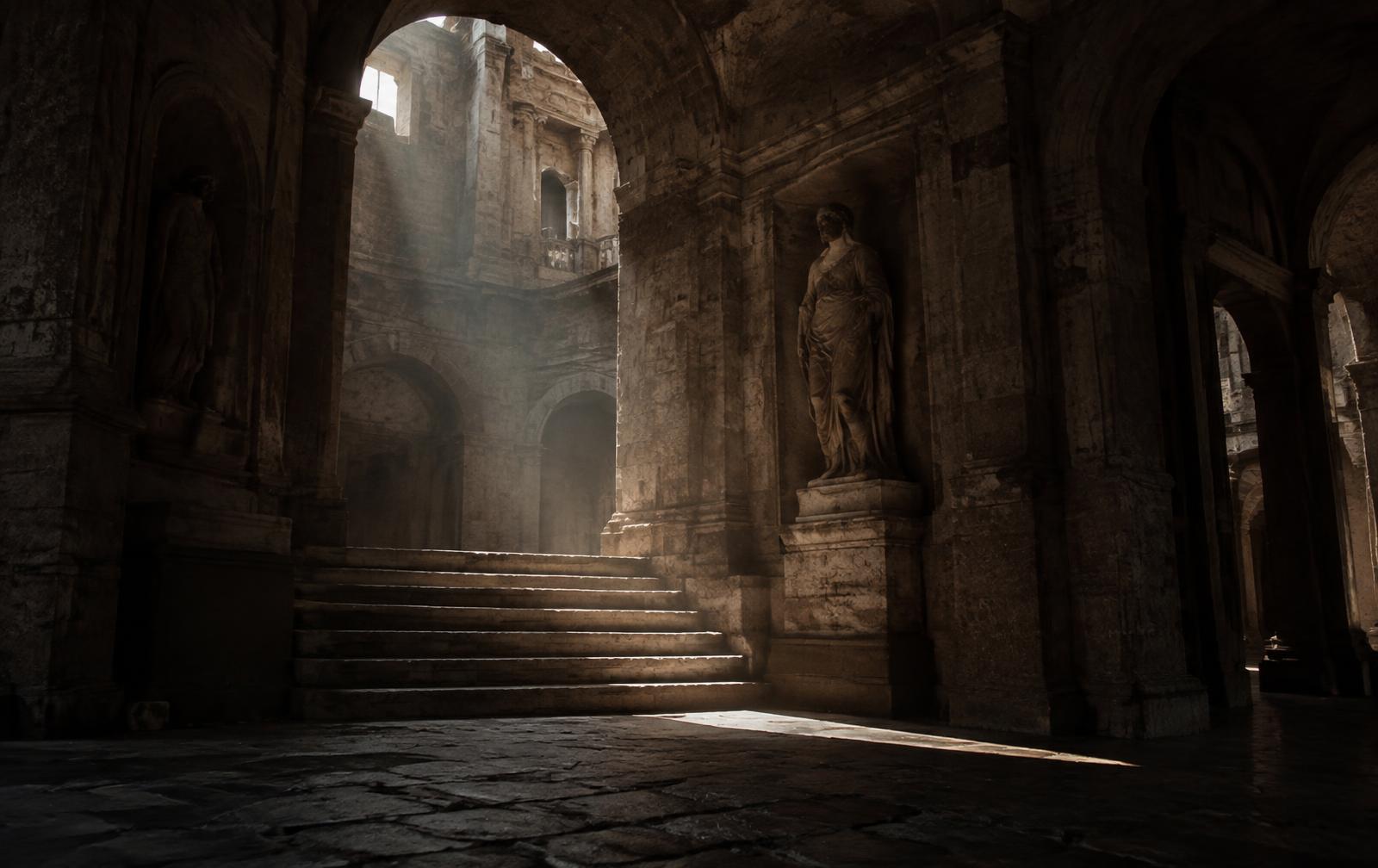
Punic foundations still run beneath Roman floors. Dig anywhere on Byrsa hill and two cities answer at once, one built out of the ruins of the other.
05 — Atlas map
Carthage — 4 points of interest
Select a marker to read the place.
06 — Civilizations
Associated places
07 — Discovery
08 — Ecosystem
01
Start exploring.
The first step. A simple way to turn a vague idea of somewhere into a real shortlist of places worth your time.
See more→02
Plan the journey.
Days, routes and logistics arranged around what you actually want to see, not around what is nearest to the hotel.
See more→03
Understand the places.
The deepest layer. Stories, timelines, maps and civilizations, so that standing somewhere finally means something.
Enter the Atlas→
Free beta access.